Fantasy Cricket T10 Strategy: How 10-Over Matches Change Every Pick
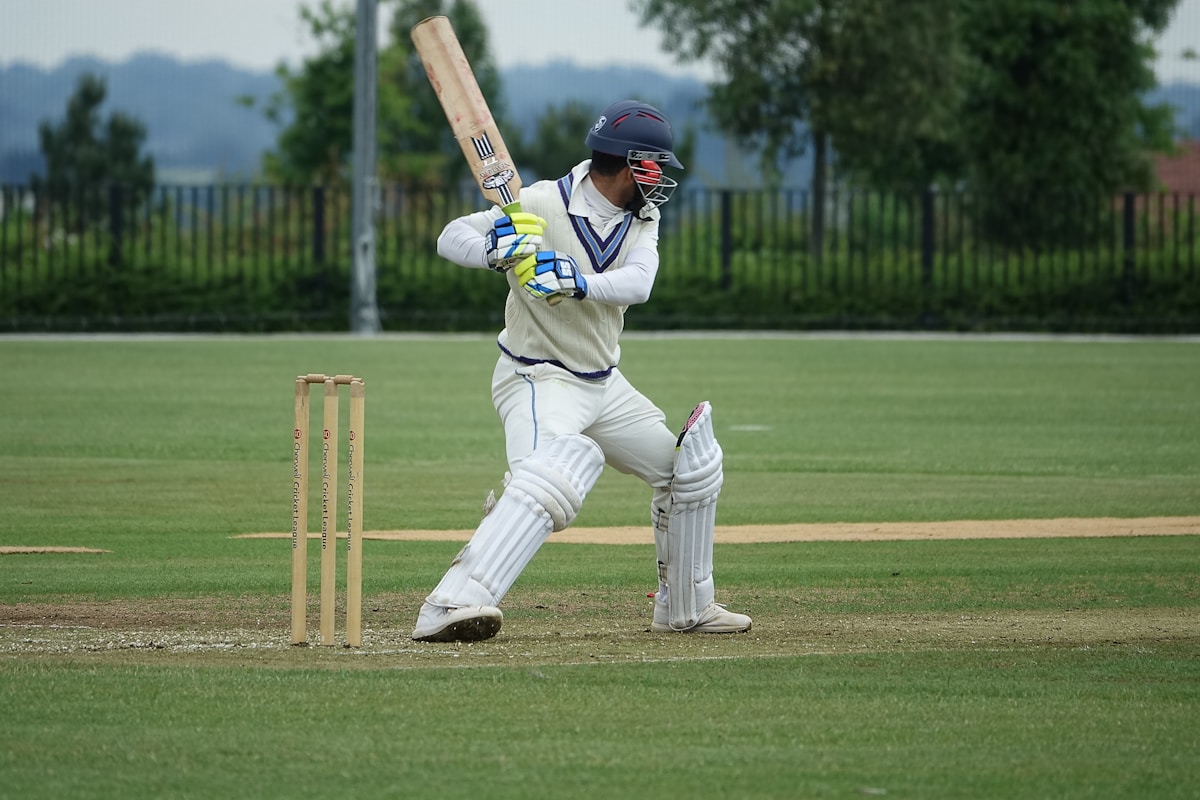
- Primary Signal: Fantasy Cricket T10 Strategy: How 10-Over Matches Change Every Pick
- Overview: Ten overs a side means every ball matters and every pick must hit. T10 fantasy rewards openers, death bowlers and players who can change a game in a handful of deliveries....
- Verification: Analyzed and compiled by RC11 Fantasy & Cricket editorial monitoring desk.
T10 cricket is the shortest professional format in the game, and it turns normal fantasy logic upside down. With only sixty balls per innings, there is no time to settle in, no time to rebuild after early wickets, and no second chance for a player who misses out. Every pick has to deliver in a tiny window.
That makes T10 fantasy both thrilling and unforgiving. The players who win are not the steady accumulators. They are the openers who score in boundaries, the bowlers who take wickets with the new ball, and the finishers who face ten balls and score thirty runs. Here is how to build for it.
Openers Are Worth More Than Anyone Else
In a T10, the openers face the largest share of the innings. With only ten overs to play, the top two or three batters will face most of the deliveries, while numbers six and seven may not bat at all. That makes openers the most valuable batting picks by a wide margin.
Pick openers who score in boundaries rather than singles. A player who hits fours and sixes can score forty runs in fifteen balls, while a rotator of the strike will struggle to reach twenty in the same time. In T10, strike rate is everything and average means very little.
Wicket-Taking Bowlers Beat Economical Ones
Economy rate matters less in T10 than in any other format, because wickets are worth so much and overs are so few. A bowler who goes for twenty runs but takes two wickets will usually outscore a bowler who goes for twelve runs and takes none.
Look for bowlers who bowl in the powerplay and at the death, because that is where wickets fall in T10. New-ball bowlers who swing it and death bowlers with good yorkers and slower balls are the two profiles to target. Avoid middle-overs bowlers who bowl when batters are already set.
All-Rounders Are the Best Captain Picks
The captain multiplier is even more important in T10 because scores are compressed into a small number of balls. A captain who contributes with both bat and ball gives you two chances to hit a big score in a sixty-ball game.
Pick a captain who opens the batting and bowls two overs, or a finisher who bowls at the death. The key is guaranteed involvement in both disciplines. A one-dimensional player can still be a good pick, but he should rarely be your captain in T10.
Why the Toss Matters More in T10
The toss has an outsized effect in a ten-over game. Chasing teams know exactly what they need from ball one, and dew in evening games makes the second innings easier for batters. That means chasing sides often have the advantage in T10.
After the toss, lean toward batters from the chasing side and bowlers from the side defending, but only if the pitch suits them. If the team batting first posts a big total, the chasing side's openers become the highest-value picks in the game.
Mistakes That Cost T10 Players the Most
The most common mistake is picking middle-order batters who never get to the crease. In a ten-over innings, numbers six to eight are lottery tickets, not picks. The second mistake is picking bowlers who bowl only one over, since a single over cannot produce enough points.
The third mistake is playing too safe. T10 is a high-variance format, so the same safe team that wins a small league will rarely win a grand league. Take one or two low-ownership punts on explosive players, and let the rest of your team be reliable.
Key Takeaways
- Openers face the most balls and are the most valuable batting picks in T10.
- Wicket-taking bowlers outscore economical ones when overs are this short.
- All-rounders who bat and bowl make the best T10 captains.
- The toss matters more in T10, especially with dew in evening games.
- Avoid middle-order batters who may not bat and bowlers who bowl only one over.
Frequently Asked Questions
Q: How many overs does each bowler get in T10?
A: Each bowler can bowl a maximum of two overs in a ten-over innings, so every bowler you pick has a small but high-impact window.
Q: Is T10 fantasy more luck-based than T20?
A: It has higher variance, because one over can decide a match. But the same principles apply: pick players with guaranteed roles, and your edge shows up over many matches.
Q: Should I pick finishers in T10?
A: Only if they bat in the top five or also bowl. A pure finisher at number six or seven may never face a ball in a ten-over game.
T10 fantasy rewards bold, role-based picking. Back the openers, back the wicket-takers, and let your captain be someone who can win the game with bat and ball in the space of a few overs.
More from RC11 Fantasy & Cricket