Fantasy Team for Spin-Friendly Pitches Explained: Building a Lineup That Turns Slow Tracks Into Points
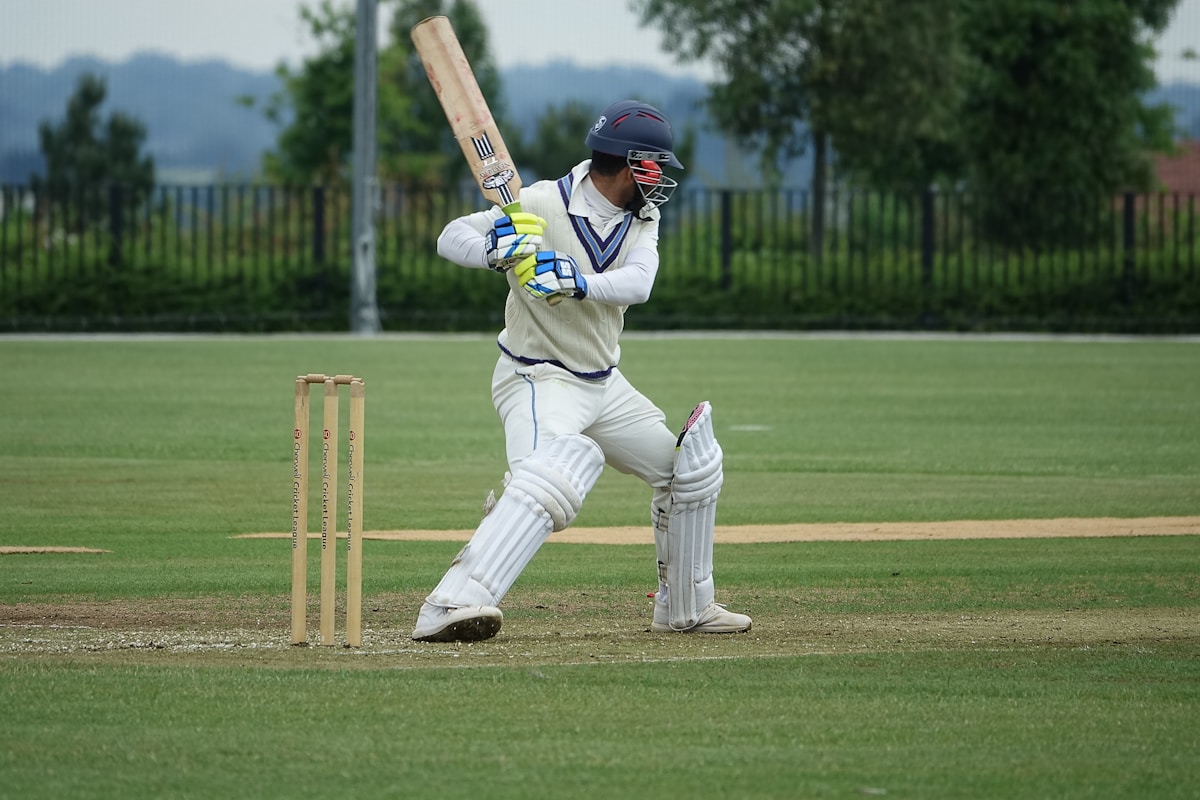
- Primary Signal: Fantasy Team for Spin-Friendly Pitches Explained: Building a Lineup That Turns Slow Tracks Into Points
- Overview: On a spin-friendly pitch, wickets and economy matter more than six-hitting alone. Learn how to balance spinners, anchors, and all-rounders for slow, turning tracks....
- Verification: Analyzed and compiled by RC11 Fantasy & Cricket editorial monitoring desk.
A spin-friendly pitch changes the whole logic of fantasy selection. The ball grips, turns, and often stays low, so batters who rely on timing through the line struggle, while spinners who vary pace and flight become match-winners. If you build your team as if it were a flat batting track, you will load up on aggressive openers and pace bowlers and watch spinners from both sides collect wickets, maidens, and economy bonuses. Understanding the surface first is what separates a thoughtful team from a copied one.
Start by reading the pitch clues that are actually available before the match. Look at recent scores at the venue, especially first-innings totals and how many wickets fell to spin, and check whether the same square has been used for several matches in a row. Worn pitches tend to turn more later in a tournament. Also note the teams involved: some batting line-ups handle spin comfortably, while others collapse against quality wrist spin. A pitch alone does not make every spinner a must-pick; the match-up still matters.
Your spinner core should usually include two or three frontline spinners, with at least one who bowls in the middle overs and one who can bowl at the death or in the powerplay. Wrist spinners often earn more wicket points because batters attack them and miscue, while finger spinners can earn economy and dot-ball points even on days they take only one wicket. Avoid picking a part-time spinner who may bowl only one or two overs. In fantasy, volume is value, and a spinner with a guaranteed four-over spell is far more useful than a famous name with an uncertain role.
Batting picks need a different filter on turning tracks. Favour players who rotate strike, play spin with soft hands, and have a record of building innings rather than only hitting boundaries. An anchor who scores a steady fifty can outscore a dasher who makes a quick twenty and gets stumped. Middle-order batters who face spin for long periods are often under-owned, which makes them useful differentials. Do not automatically drop all openers, but check whether they have struggled against spin recently or whether they tend to sweep and reverse-sweep with control.
All-rounders become even more valuable on spin-friendly pitches because they give you two routes to points on a surface where batting alone is harder. A spin-bowling all-rounder who bats in the top six is ideal: even a modest batting score plus two wickets and a tight spell can produce a strong total. A pace-bowling all-rounder is less attractive here unless he bowls cutters and slower balls effectively or bats high enough to matter. Balance matters, so do not fill every slot with spinners and leave your batting too thin to benefit if the pitch plays better than expected.
For bowlers beyond spin, pick pacers who adapt to slow conditions. Bowlers with good slower balls, cutters, and yorkers can still take wickets at the death when batters are forced to attack. Pure pace bowlers who rely on bounce and carry may go wicketless and expensive on a low, slow track. If you must pick a pacer, prefer one who bowls at the death, because even on turning pitches the final overs produce wickets as batters chase runs. Keep at least one death bowler in the team for that reason.
Captain and vice-captain choices should follow the same logic. On a turning track, a frontline spinner or a spin-bowling all-rounder is often a stronger captain than a big-name batter, because his points can come from wickets, economy, and possibly batting. In small leagues, choose the most reliable spinner with a full quota. In grand leagues, consider the wrist spinner facing a line-up known to struggle against turn. Make the vice-captain a batter who plays spin well, so your multipliers are not both dependent on the same bowling outcome.
Finally, stay flexible after the toss. If the team batting first wins the toss and chooses to bat, spinners bowling second may face a scoreboard-pressure chase and pick up more wickets. If dew is expected later, spinners bowling first may be more effective before the ball gets wet. Check the confirmed elevens for an extra spinner added to either side, because that tells you what the teams themselves think of the pitch. Build for turn, but leave room for one quality batter or pacer who can rescue the team if the surface plays flatter than the report suggested.
📖 Continue Reading the Full Story
Continue reading this article on RC11 Fantasy & Cricket.
⚡ Access Full Content NowMore from RC11 Fantasy & Cricket



 ⚽ Football2026 Live
Startelf von Manchester United gegen Leeds: Bestätigte Teamnachrichten und voraussichtliche Aufstellung
Manchester United gegen Leeds: Lisandro Martinez bleibt beim Elland Road Test in der ReiheManchester United ge...
 📋 Football2026 Tactics
Why Are Football Pitches Striped? Groundskeeping Secrets Behind the Mowing Patterns
Those perfect light-and-dark stripes are not painted on. Here is how groundskeepers create them with nothing b...
 ⚽ SportsBet Insights Live
How Betting Odds Work (Explained So Simply Anyone Gets It)
Decimal, fractional, American — every odds format explained in plain English, plus how to convert odds into pr...
 🏆 2026 Football Online
How Does the 2026 World Cup Format Work? 48 Teams, 12 Groups and the New Round of 32
The 2026 World Cup is the biggest ever: 48 teams, 104 matches, and a brand-new Round of 32. Here is a plain-En...