How to Handle Last-Minute Playing XI Changes Without Panicking
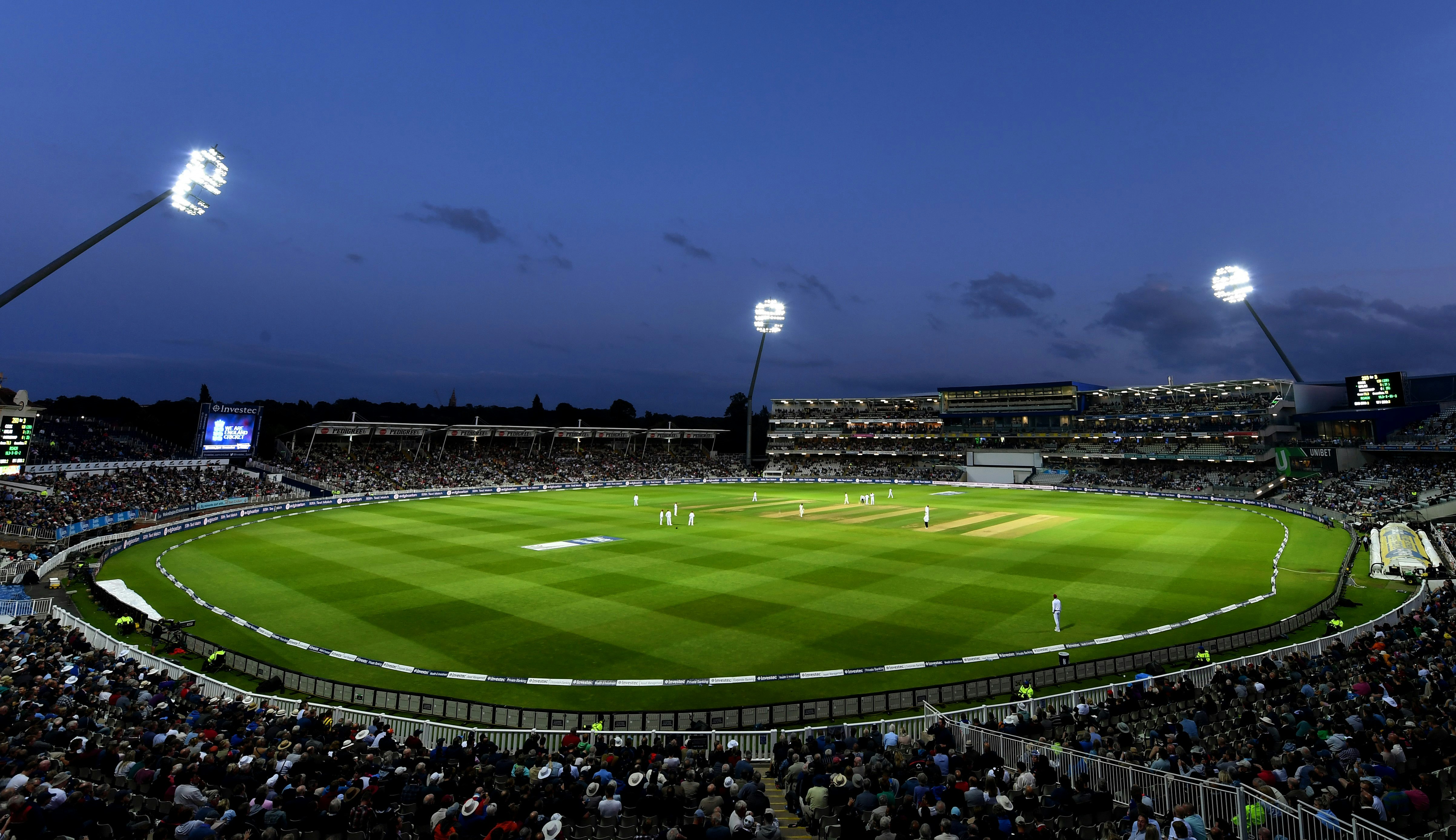
- Primary Signal: How to Handle Last-Minute Playing XI Changes Without Panicking
- Overview: Late playing eleven changes can wipe out a captain pick before the match starts. Learn how to prepare for them, react in the toss window, and keep surprises from ruining your team....
- Verification: Analyzed and compiled by RC11 Fantasy & Cricket editorial monitoring desk.
Nothing ruins a fantasy team faster than a last-minute playing eleven change. Your captain is rested, your star bowler is injured, or a debutant replaces a regular, and suddenly a carefully built team has a hole in it. Late changes are not random bad luck: they follow patterns, and players who prepare for them lose fewer points than players who just hope their team survives the toss.
The first defence is information. Follow official team accounts, reliable journalists, and the toss broadcast itself, and keep your fantasy app open until the deadline. Many platforms allow changes until the toss, so a player who checks news in the final thirty minutes has a real advantage over a player who locked their team hours earlier. If a key player is doubtful because of injury or workload management, do not captain them unless you have a strong vice-captain backup.
Team structure is your second defence. Build teams with flexible picks: all-rounders and wicketkeepers who are certain to play, plus one or two bench-style alternatives in mind before the deadline. If you know the two players you would swap in for each doubtful pick, a late change takes seconds instead of a panicked rebuild. Avoid loading your team with players from a single match or team, because one surprise omission can then damage multiple slots at once.
Learn rotation patterns. Teams in long series rest fast bowlers, rotate keepers, and give fringe players games in dead rubbers. If a team has already won a series, expect changes. If a player has bowled heavy workloads in consecutive matches, expect rest. If a young player has been travelling with the squad and a regular is carrying a niggle, expect a debut. These are not guesses; they are the normal rhythms of team management, and fantasy players who track them are rarely surprised.
If your captain is dropped or rested, do not simply swap in the next big name. Reassess the match: who benefits from the change? A replacement opener might be a bargain pick, or a bowler promoted up the order might gain value. Sometimes the best response to a late change is to captain a player from the other team, whose role is now clearer because the opposition is weakened. Think about the ripple effects, not just the empty slot.
A simple toss-window routine helps. Ten minutes before the deadline, check the confirmed elevens. Five minutes before, confirm your captain and vice-captain are both playing. Then make your swaps, starting with captain and vice-captain, then bowlers, then batters. Leave at least one minute spare, because apps slow down near the deadline and a half-finished edit can lock in a worse team than the one you started with.
Even with perfect preparation, some late changes will still catch you. The difference is frequency: prepared players lose a pick occasionally, while unprepared players lose a captain regularly. After each surprise, note what signal you missed — a fitness update, a rotation pattern, a coach comment — and add it to your pre-match checklist. Over a season, that habit turns late changes from a disaster into a small, manageable cost.
Sometimes the worst change happens after your team is locked, and there is nothing you can do about that particular contest. In that case, the right response is to learn rather than to chase losses in the next match by overcorrecting. Ask whether the change was predictable: was the player carrying an injury, was the match a dead rubber, or had the team signalled rotation? If the answer is yes, add that signal to your checklist. If the answer is no, accept it as variance. Fantasy is a long game, and one unlucky contest should not change a sound strategy. Players who stay calm after bad luck make better decisions in the next match than players who rebuild their whole approach after every surprise.
📖 Continue Reading the Full Story
Continue reading this article on RC11 Fantasy & Cricket.
⚡ Access Full Content NowMore from RC11 Fantasy & Cricket



 ⚽ SportsBet Insights Live
Premier League Over Under Goals Betting Guide: Reading Totals Beyond the Obvious
Premier League totals are about pace, chances, and team styles, not just star strikers. Learn how to read an o...
 🏆 2026 World Cup Central
World Cup 2026 Without Tickets: How to Enjoy the Tournament Anyway
No stadium ticket? No problem. Fan festivals, bars, watch parties and city events let ticketless fans live the...
 🏆 WorldCup2026 Cities
World Cup 2026 Hotels Near Stadiums: How to Book Without Overpaying
Hotel prices near World Cup 2026 stadiums rise fast. Here is how to book smart: location, cancellation terms a...
 ⚡ Soccer2026 LiveWire
Can an AI Receptionist Handle Your Soccer Club's Fan Support Calls?
Club offices close at 5 PM, but fans call evenings and matchdays. Here's how an AI receptionist answers in you...